Is Global Entry Worth It? The Wait Data Says Yes
SFO's customs line hits 79 minutes, ORD 78, and JFK and LAX 77. At $120 for five years, Global Entry pays for itself fast. Here's the math.
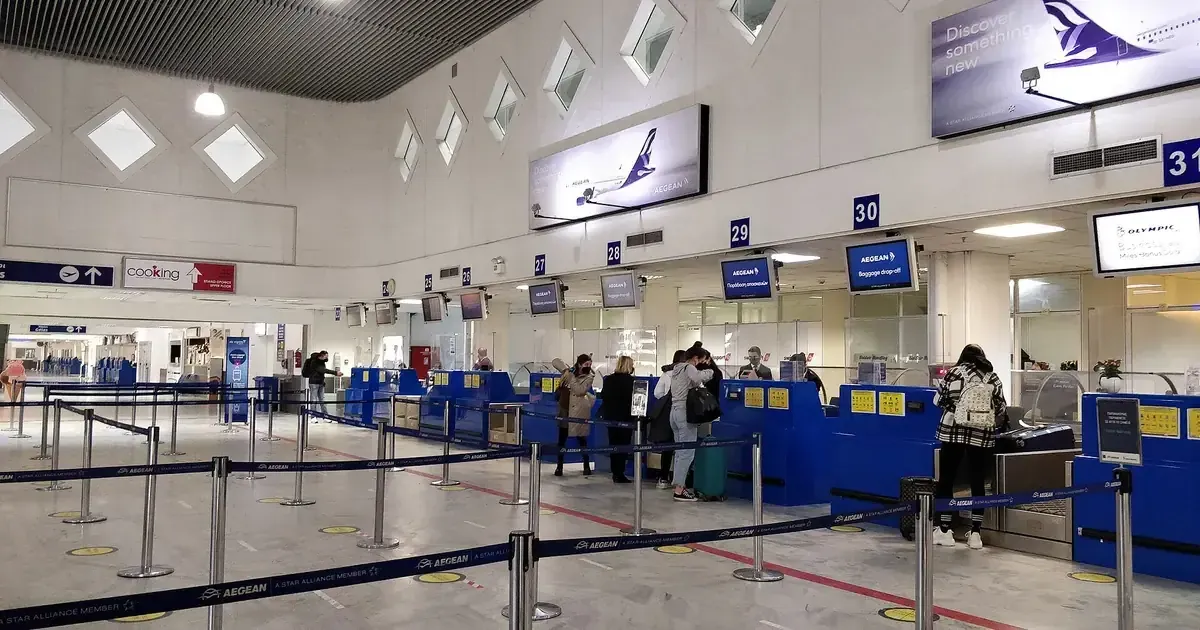
I’ll make this easy. Global Entry costs $120 for five years, which is $24 a year, and the wait data says it’s the best travel purchase most people can make. I’ve flown enough international miles to have strong opinions about this, and the numbers back them up.
Let me do the math properly, because the “is it worth it” debate is usually argued by people who’ve never stood in a 79 minute line.
What the lines actually cost
The immigration data tells the story. SFO’s customs line peaks at 79 minutes on Sunday at 4 PM, the worst in our dataset. O’Hare hits 78 minutes on Sunday at 4 PM. JFK and LAX both run 77 minutes on Sunday afternoons. Newark is at 76, Atlanta at 75, Miami at 74.
Those are the peak numbers, but they’re not exotic outliers. They’re the Sunday afternoon banks at America’s busiest gateways, which is exactly when the return-home crowd lands. If you fly internationally on any kind of schedule, you will eventually land in one of those lines.
The per-trip math
Here’s where the value calculation gets simple. Global Entry costs $120 for five years, and the membership includes TSA PreCheck, which by itself costs $78 for five years. The customs bypass is effectively the incremental cost on top of the PreCheck you probably already want.
Two international trips a year through a major gateway is enough to pay it off, and that’s if you value your time at nothing. If your time is worth anything at all, the first Sunday afternoon arrival you skip makes the whole membership a good deal.
| Airport | Peak customs wait | Global Entry impact |
|---|---|---|
| SFO | 79 min | Line to walk, under 5 min |
| ORD | 78 min | Kiosk and out |
| JFK | 77 min | The difference between making it and not |
| LAX | 77 min | Same story |
| EWR | 76 min | Pays for itself in one landing |
| ATL | 75 min | Ditto |
| MIA | 74 min | Worth it at a gateway like this |
The counterargument, fairly stated
The honest case against Global Entry is that the small gateways don’t need it. Albuquerque’s customs line peaks at 15 minutes. San Jose and Long Beach run 14 to 15. Anchorage is 14. If you only ever fly internationally through mid-size airports, the bypass saves you ten minutes, and ten minutes isn’t worth the application hassle.
But here’s the thing. The travelers who fly through the small gateways are often connecting through the big ones, and the big ones are where the 77 minute lines live. The immigration wait times for your actual arrival airport are the number that matters, and if that number is 60-plus, the math is settled.
The application reality
The hard part of Global Entry isn’t the $120. It’s the interview. The application process requires an in-person appointment with CBP, and the wait times for appointments vary wildly by location. The strategy that works: apply early, use the enrollment-on-arrival option if you’re flying internationally anyway, and don’t wait until the week before your trip to start.
The other thing people miss: Global Entry includes TSA PreCheck, so the one application covers both the customs line and the domestic security line. For anyone who flies domestically too, that’s the second half of the value, and the TSA wait data shows what the PreCheck lane is worth at a busy airport.
Who shouldn’t bother
For fairness, the case against Global Entry exists. If you fly internationally once every few years and always through the same mid-size gateway, the savings are real but small, and the application hassle is the same either way. Albuquerque’s 15 minute peak isn’t a line worth paying to skip.
But the counterpoint is the one I keep coming back to: the small-gateway traveler is usually a big-gateway connector. The person who clears customs at ABQ is often flying through ATL or DFW on the way home, and the immigration wait times at the hub are the number that matters. Global Entry covers the whole trip, not just the final landing.
The timing trap
The one thing that makes Global Entry a bad last-minute purchase is the interview. The application process requires an in-person appointment, and the backlog varies wildly by region. The fix is to apply well before you need it, and to use the enrollment-on-arrival option if you’re flying internationally anyway. A traveler who applies in August for a November trip is in a very different position than one who applies the week before departure.
The other piece of timing advice: if you’re on the fence, the membership is five years, and the wait data isn’t getting shorter. The Sunday afternoon banks at the big gateways have been the worst hours of the week in every dataset we’ve published, and there’s no sign the pattern is changing.
The bottom line
If you fly internationally more than once a year, Global Entry is a buy, not a maybe. The $24 a year covers a program that turns the worst line in American aviation into a walk, and it bundles in PreCheck for the domestic trips. The wait data doesn’t leave much room for debate. The only real question is whether you’ll use it, and if you’re flying through SFO, ORD, JFK, LAX, or EWR on a Sunday afternoon, you will.
Frequently asked questions
Is Global Entry worth the money?
For anyone who flies internationally more than once a year, yes. It costs $120 for five years, includes TSA PreCheck, and bypasses customs lines that hit 77 to 79 minutes at major gateways.
How much does Global Entry cost?
$120 for five years, which is about $24 a year. The fee covers Global Entry and includes TSA PreCheck, so it replaces both programs.
Which airports have the longest customs lines?
SFO peaks at 79 minutes on Sunday at 4 PM, ORD at 78, and JFK and LAX both at 77 on Sunday afternoons. The smaller gateways run a fraction of that.
Does Global Entry include TSA PreCheck?
Yes. Global Entry membership includes TSA PreCheck, so the $120 covers both the customs bypass and the domestic security fast lane.
Keep reading
 strategySFOSJC
Use Immigration Wait Data to Pick Your International Flight
Customs waits range from 79 minutes at SFO to 14 at San Jose. Here's how to use immigration data to pick your arrival airport and time.
Lena Vasquez strategyLAXORD
How to Read a TSA Wait-Time Table Like an Analyst
A TSA wait-time table has more information than most people know what to do with. Here's how to read one properly and turn it into an arrival plan.
Mara Quinn strategyLAXMIA
The Red-Eye Is the Only Flight Without a Line
TSA data across major U.S. airports shows overnight hours are the quietest of the week. Here's what the red-eye actually saves you, hour by hour.
Mara Quinn