Use Immigration Wait Data to Pick Your International Flight
Customs waits range from 79 minutes at SFO to 14 at San Jose. Here's how to use immigration data to pick your arrival airport and time.
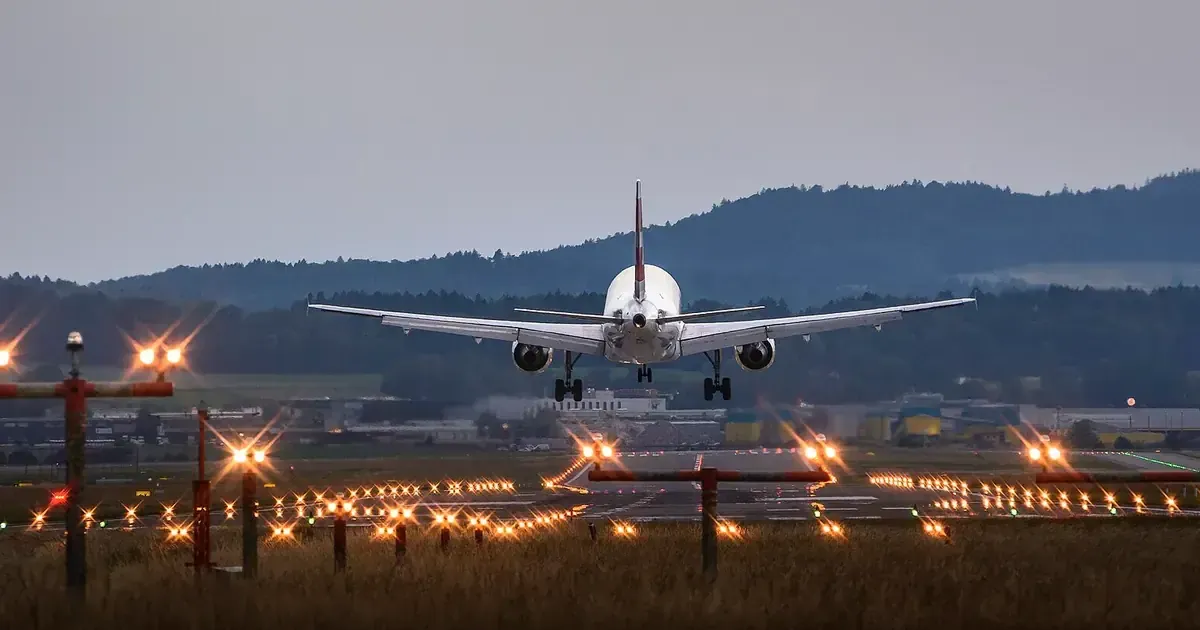
The immigration data on this site is the most underused travel-planning tool I know. People obsess over flight prices and seat choices, then accept whatever customs line the airport gives them as if it were weather. It’s not weather. It’s published data, and it’s the difference between a 79 minute line and a 14 minute one.
I’ve flown more than 100,000 miles a year for long enough to have strong opinions about this. Here’s how to actually use the numbers.
The spread is enormous
The SFO immigration wait times data peaks at 79 minutes on Sunday at 4 PM, the worst in the country. The San Jose immigration wait times page peaks at 14 minutes on Friday afternoon. Same region, same afternoon, a 65 minute difference between two airports that are 40 miles apart.
That spread is the entire argument for using this data. If you’re flying into the Bay Area internationally, the choice between SFO and San Jose isn’t just about price and schedule. It’s a customs decision, and the data has the answer.
The arrival-airport lever
The most powerful thing you control on an international trip is the arrival airport. Secondary gateways clear international arrivals in a fraction of the time because they have less volume and shorter lines:
| Airport | Peak customs wait | Why it’s light |
|---|---|---|
| SFO | 79 min | Major Pacific gateway |
| ORD | 78 min | Massive connection hub |
| JFK | 77 min | Long-haul volume |
| LAX | 77 min | Pacific gateway |
| SJC | 14 min | Secondary gateway, light |
| LGB | 15 min | Same story |
| ABQ | 15 min | Small international flow |
| HNL | 35 min | Mid-size, mostly leisure |
The pattern is obvious once you see it in a table. The big gateways buy their volume with lines. The secondary airports trade a slightly longer drive or a smaller schedule for a customs experience that’s a quarter of the wait.
The arrival-time lever
If you can’t change the airport, change the time. The data is unanimous: morning arrivals clear fastest everywhere, and Sunday afternoons are the worst slot at every major gateway. The Sunday 3 PM to 4 PM bank is where SFO, ORD, JFK, LAX, EWR, ATL, and MIA all hit their peaks, within minutes of each other.
A morning arrival at the same airport is a completely different experience. The difference between a 9 AM landing and a 4 PM landing on the same day at the same gateway is often 40 minutes or more of customs time.
The connection angle
This matters even more if you’re connecting. The immigration wait times for your arrival airport are the first half of the connection math, and the TSA line on the re-screen is the second. If you’re building a connection after an international arrival, you’re not just betting on the airline. You’re betting on the customs line, and the data lets you bet on the right slot.
The morning rule, airport by airport
The morning advantage isn’t a theory. It’s the shape of the data at every gateway. SFO’s worst hours are the Sunday afternoon bank, and its morning slots sit far below the peak. The same is true at ORD, JFK, LAX, and EWR: the afternoon arrival banks are where the long waits live, and the morning is the easy version of the same airport.
There are a few airports where the pattern is milder, like Honolulu, whose Friday 3 PM peak runs 35 minutes, a third of SFO’s number. But the direction is the same everywhere. Morning in, faster. Afternoon in, slower. The only question is how much slower, and that question is answered on the page before you book.
The thirty-second lookup
The process is short enough to do on every international trip:
- Open the immigration wait times page for your candidate arrival airports.
- Look at the peak for the day you’d land and the hour your flight would arrive.
- Compare that number across airports and across arrival times.
- If the gap is big, change one variable. The airport or the hour.
The data is free, it’s specific to your exact landing, and it takes less time than comparing seat pitch. The travelers who do this step are the ones who land, walk through customs, and wonder why everyone else is still in line.
The honest version
Using immigration data to pick a flight is not overthinking it. It’s the same planning discipline you apply to prices and schedules, applied to the one variable everyone treats as random. The 79 minute line at SFO and the 14 minute line at San Jose are both published numbers. One of them is avoidable on most trips. The data tells you which, and it costs nothing to look. The travelers who never look are the ones who end up standing in the Sunday afternoon bank wondering why their arrival feels so much worse than the person next to them who checked. The difference between the two of you was a two minute lookup and a booking choice. That’s the whole pitch for this post: the data turns a random-feeling part of travel into a decision you made on purpose, and that’s the entire point.
Frequently asked questions
How do I avoid long customs lines?
Pick your arrival airport and time based on the immigration data. Morning arrivals and secondary airports like San Jose clear far faster than Sunday afternoon arrivals at major gateways.
Which airports have the shortest customs lines?
The smaller gateways. San Jose peaks at 14 minutes, Long Beach at 15, and Albuquerque at 15, versus 79 at SFO and 78 at ORD.
What is the best time to arrive internationally in the U.S.?
Morning, mid-week. The data shows morning arrivals clear fastest everywhere, and Sunday afternoons are the worst slot at every major gateway.
Does it matter which airport I fly into for customs?
Enormously. The spread between SFO's 79 minute peak and San Jose's 14 minutes is the difference between a quick landing and a wasted afternoon.
Keep reading
 strategySFOJFK
Is Global Entry Worth It? The Wait Data Says Yes
SFO's customs line hits 79 minutes, ORD 78, and JFK and LAX 77. At $120 for five years, Global Entry pays for itself fast. Here's the math.
Lena Vasquez strategyINDIAH
The 5 AM Trap: Airports Where Early Morning Is the Worst Time
The early-morning bank is the worst TSA window at a surprising number of airports. Indianapolis hits 63 minutes at 6 AM on Fridays; here's the full list.
Mara Quinn strategyLAXMIA
The Red-Eye Is the Only Flight Without a Line
TSA data across major U.S. airports shows overnight hours are the quietest of the week. Here's what the red-eye actually saves you, hour by hour.
Mara Quinn