Summer Travel at U.S. Airports: What the Data Shows
Summer is TSA's busiest season. Here's what the historical wait-time data shows across major U.S. airports, and how to plan an arrival around the surge.
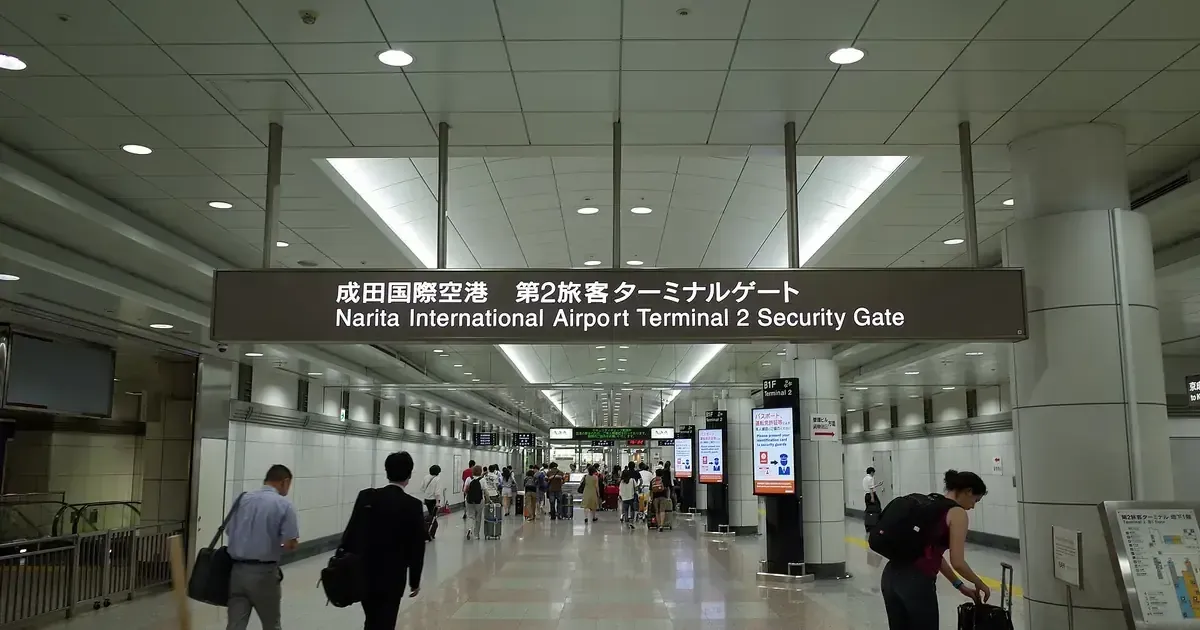
Summer is the season when everyone’s airport anxiety gets validated, and the generic “arrive two hours early” advice gets even less useful, because it never tells you which two hours actually matter.
Two things are worth separating here, because they usually get blurred together. Summer volume is measured. Summer wait times, in our data, are not. TSA publishes daily checkpoint traveler counts, and those numbers make the summer surge plain. FlyIndex’s wait figures are year-round peaks by day and hour — they tell you what your airport is capable of, not how July differs from February. So the honest framing is this: summer is when you’re most likely to actually meet the peak your airport can produce. Plan against that number.
The peaks are further apart than you’d guess
The assumption is that big airport equals long line. The data doesn’t cooperate.
| Airport | Peak TSA wait | When it hits | Quiet hours/week |
|---|---|---|---|
| Denver | 47 min | Saturday, 4 AM | 21 |
| Miami | 46 min | Monday, 12 PM | 29 |
| Atlanta | 45 min | Monday, 9 AM | 34 |
| JFK | 33 min | Sunday, 4 PM | 0 |
| O’Hare | 30 min | Sunday, 3 PM | 28 |
| LAX | 25 min | Sunday, 9 AM | 10 |
LAX is the second-busiest airport on this list and has the shortest peak on it. Denver, which nobody thinks of as a problem airport, has the longest — and it lands at 4 AM on a Saturday, which is not a time anyone budgets extra for.
The quiet-hour count is the number nobody checks
The right-hand column is the one that should change your planning. It counts the hours in a week when the checkpoint reliably drops into the genuinely-empty band, and it varies more than the peaks do.
Atlanta has 34 such hours. Miami has 29. JFK has zero — not one hour out of 168. That single fact makes JFK a different planning problem from every other airport on the list. At Atlanta, you can beat the line by moving your flight. At JFK, there is no hour to move to, so the only lever left is a bigger buffer.
A low peak with few quiet hours, which is LAX’s shape, means an airport that never gets terrible and never gets good. A high peak with many quiet hours, which is Atlanta’s, means the average hour is fine and the specific bad hour is genuinely bad. Those two airports need opposite strategies, and “arrive two hours early” gives you the same answer for both.
Sunday afternoon is the pattern that repeats
Look at the “when” column again. JFK peaks Sunday at 4 PM. O’Hare Sunday at 3 PM. LAX Sunday at 9 AM. It shows up on the arrivals side too: customs peaks at O’Hare, JFK, LAX, Miami and SFO all land on a Sunday afternoon, within an hour of each other.
That’s not a coincidence, and it isn’t seasonal. It’s what the end of a travel week looks like — leisure travelers heading home stacked underneath business travelers positioning for Monday, against staffing set in advance for a forecast. Peaks aren’t chaos. They’re a system running at the top of its band with nothing in reserve.
If you have any flexibility at all, moving off Sunday afternoon is the highest-value change on the table, and it costs nothing.
Arrivals are the summer problem people forget
Departures get all the attention, but if any leg of your summer trip lands from abroad, customs is the harder number by a wide margin. The immigration peaks at the big gateways run roughly double the checkpoint peaks: 79 minutes at SFO, 78 at O’Hare, 77 at both JFK and LAX, 74 at Miami.
Put that against a domestic connection and the arithmetic collapses. Clear immigration, collect a checked bag, re-drop it, change terminals, screen again — a 90-minute connection does not survive a Sunday afternoon arrival at any of those airports. Two and a half hours is the connection worth booking in that window; three if you’re checking bags and can’t afford the miss.
This is also the case where Global Entry earns its keep. It doesn’t shrink the published peak, but it moves you out of the primary-inspection queue where most of that hour accumulates. At $120 for five years, two international trips a summer makes it arithmetic rather than a preference.
What to actually do this summer
- Look up your airport’s peak, not a generic rule. LAX at 25 minutes and Denver at 47 do not deserve the same buffer.
- Check your quiet-hour count before you try to be clever. If your airport has a real overnight trough, an early flight is worth the alarm. If it’s JFK, skip the optimisation and budget instead.
- Treat the peak as a floor for bad days. A weather event or a staffing gap will beat it, and no dataset warns you an hour ahead.
- Assume the drive is worse too. Ground traffic compounds the checkpoint problem, and it peaks at the same times.
The one thing that doesn’t work
Hoping the line will be short. It won’t be, not at a hub, not at the hours everyone else also chose. Atlanta runs hot because it’s Atlanta; that’s structural, not bad luck.
Summer at U.S. airports is busy on a schedule, and the schedule is published. The only real mistake is planning against an average you’ll never actually experience.
Frequently asked questions
Are TSA wait times worse in the summer?
Volume is. TSA publishes daily checkpoint traveler counts, and summer is consistently the heaviest stretch of the year. FlyIndex's own wait figures are year-round peaks rather than seasonal splits, so the honest read is that summer is when you are most likely to actually meet the peak your airport is capable of.
What is the best time to fly to avoid TSA lines?
The genuinely quiet hours at most large airports fall between midnight and 3 AM, which suits almost nobody. The practical version is to avoid your airport's peak: at LAX that is Sunday at 9 AM, at O'Hare Sunday at 3 PM, and at Atlanta Monday at 9 AM.
How early should I arrive at the airport in the summer?
Work back from your airport's peak rather than from a generic rule. At an airport peaking near 25 minutes, two hours is sane. At Denver or Miami, where peaks reach the high forties, two and a half is the better default for a domestic departure.
Which major airport has the worst security peak?
Of the large hubs in our data, Denver posts the highest single peak at 47 minutes, on Saturdays at 4 AM, with Miami close behind at 46 minutes on Mondays at noon. LAX, despite its size, peaks at only 25.
Sources
- TSA checkpoint travel numbers
Transportation Security Administration · tsa.gov
- National Airspace System status
Federal Aviation Administration · nasstatus.faa.gov
- Los Angeles International Airport official website
Los Angeles International Airport · flylax.com
- O'Hare International Airport official website
O'Hare International Airport · flychicago.com
Keep reading
 seasonalATLORD
Labor Day 2026: The Last Big Weekend of Summer
Labor Day weekend is the final summer travel surge, and the wait data shows exactly where it will hit. Here's the plan for flying that weekend.
FlyIndex Editorial seasonalLAXORD
August Is the Longest Month for Airports
August stretches every airport's peak windows wider than any other month. Here's what the wait data shows and how to keep your cool through it.
FlyIndex Editorial seasonalLAXORD
The September Reset: When Airport Lines Go Quiet
After Labor Day, airport volume drops and the wait data follows. Here's what the September reset looks like and how to take advantage of it.
FlyIndex Editorial