August Is the Longest Month for Airports
August stretches every airport's peak windows wider than any other month. Here's what the wait data shows and how to keep your cool through it.
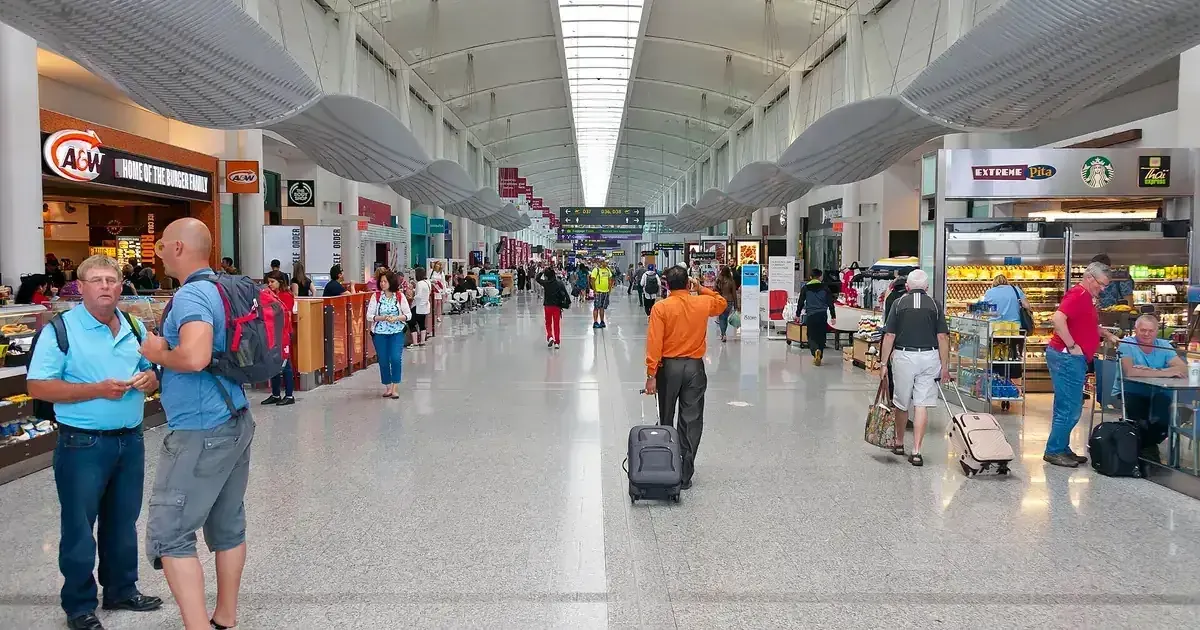
August is the month where airport fatigue sets in, for the airports and for the people inside them. The volume doesn’t break records the way it does in late June or early July, but it doesn’t let up either, and that sustained pressure is what changes the checkpoint math. I track this stuff every summer, and August is consistently the month where the data gets boring in a specific way: the same peaks, wider.
Here’s what the wait-time data actually shows about August, and how to plan around it.
The peaks don’t move, they widen
This is the pattern I’ve watched for years. The time of day when TSA peaks at a major airport doesn’t change much between June and August. The 9 AM to 11 AM morning crush is still the morning crush. What changes is how wide the crush gets.
In the shoulder seasons, the peak might be a tight two-hour window. In August, it stretches. It starts earlier, it bleeds later, and the line stays longer at every point in between. The volume doesn’t shift to a new part of the day. It fills more of the day.
The LAX TSA wait times tell the story cleanly. The airport’s worst slot is Sunday at 9 AM at 25 minutes, and the August version of that Sunday is the same hour with a longer line and a wider surrounding window. Same peak, more people in it.
The weekday advantage holds
Here’s the good news, and it’s real. Tuesday and Wednesday mornings stay the lightest slots even at August volume. The ORD TSA wait times show the same basic shape as LAX: mid-week mornings are forgiving, weekends are not. Atlanta runs hotter than both because it’s just that busy year-round, but even Atlanta’s lightest slots cluster mid-week.
The weekday advantage is thinner in August than in October, but it doesn’t disappear. A Tuesday 7 AM flight is still your friend. A Sunday 10 AM flight is still your enemy, and more so in August because the whole weekend is loaded.
The Sunday return bank
The worst part of August isn’t the departure crush. It’s the return. Sunday afternoon and evening banks at the major hubs are where the volume concentrates, because everyone who left for the weekend is coming back for the work week. The ATL TSA wait times data shows Sunday evening at 29 minutes, which doesn’t sound terrible until you remember that’s the airport’s second-hottest window of the week.
For anyone flying home on a Sunday in August, the advice is the same as it is every week but with more emphasis: the return flight is not the time to test the buffer.
| Airport | August shape | Best slot | Worst slot |
|---|---|---|---|
| LAX | Wide morning crush, heavy Sundays | Tuesday 6 AM – 8 AM | Sunday 9 AM – 11 AM |
| O’Hare | Mid-morning crush, weekend returns | Wednesday 6 AM – 8 AM | Sunday afternoon |
| Atlanta | High volume year-round, Sundays worst | Tuesday 6 AM – 7 AM | Sunday evening |
How to plan an August arrival
The August adjustment is simple. It just requires actually doing it:
- Add 30 minutes to your normal arrival time at major hubs. Two hours becomes two and a half. Ninety minutes becomes two hours.
- Check the wait-time page the night before. The arrival guide for your airport folds the pattern into a real recommendation, and it beats your memory of last August.
- Lean into Tuesday and Wednesday if you have schedule flexibility. The savings are real even at peak volume.
- Assume the return is the problem. If you’re flying home Sunday, budget like the airport is full, because it is.
What the hour-by-hour tables show
The thing I like about the hourly wait-time tables is that August’s effect shows up in the shape, not just the size. The peak hour rarely moves, but the hours around it fill in. A Tuesday that normally has a clean 7 AM bump gains a lingering 9 AM tail. A Sunday that normally clears by noon keeps a line until 2 PM. The tables don’t show new problem times in August. They show old problem times getting longer.
That’s actually the useful part for planning. If you already know your airport’s quiet window from the rest of the year, August doesn’t create a new one to learn. It just shrinks the window you already had. The Tuesday 6 AM flight that worked in May still works in August. The Sunday 10 AM flight that was borderline in May is worse in August, by design.
The pre-Labor-Day rush
The last two weeks of August carry one more pattern worth knowing: the pre-Labor-Day rush. As the month closes, the family trips that were waiting for the end of summer finally fly, and the volume spikes again before the September reset. The LAX TSA wait times and Atlanta’s pages both show the same arc, with the late-August numbers running hotter than mid-August.
The honest version
August is not the hardest month to fly, and pretending it is doesn’t help anyone. It’s the longest month, the one where the peaks stretch and the patience wears thin, and the data reflects that. The fix is the same as it always is: know your airport’s pattern, add the buffer, and fly the quiet windows when you can. The lines in August are wide but they’re not mysterious. The data is right there.
Frequently asked questions
Is August the busiest month for U.S. airports?
It's up there. August carries the tail of summer's peak volume, and the wait data shows the busy windows getting wider, even as the calendar inches toward fall.
Are TSA lines worse in August?
The peaks aren't new, but they're wider. The morning crush starts earlier and lasts longer, and the weekend return banks run hot through the whole month.
What is the best time to fly in August?
Tuesday and Wednesday mornings, before 9 AM, stay the lightest slots even at summer volume. Weekend and mid-morning flights are the ones that need the extra buffer.
How early should I arrive at the airport in August?
Add 30 minutes to your normal arrival time at major hubs. Two and a half hours for a domestic flight at a big airport is a reasonable August baseline.
Keep reading
 seasonalLAXORD
Summer Travel at U.S. Airports: What the Wait-Time Data Actually Shows
Summer is TSA's busiest season. Here's what the historical wait-time data says across major U.S. airports and how to plan around the surge.
Lena Vasquez seasonalLAXORD
The September Reset: When Airport Lines Go Quiet
After Labor Day, airport volume drops and the wait data follows. Here's what the September reset looks like and how to take advantage of it.
Mara Quinn seasonalATLORD
Labor Day 2026: The Last Big Weekend of Summer
Labor Day weekend is the final summer travel surge, and the wait data shows exactly where it will hit. Here's the plan for flying that weekend.
Lena Vasquez