The September Reset: When Airport Lines Go Quiet
After Labor Day, airport volume drops and the wait data follows. Here's what the September reset looks like and how to take advantage of it.
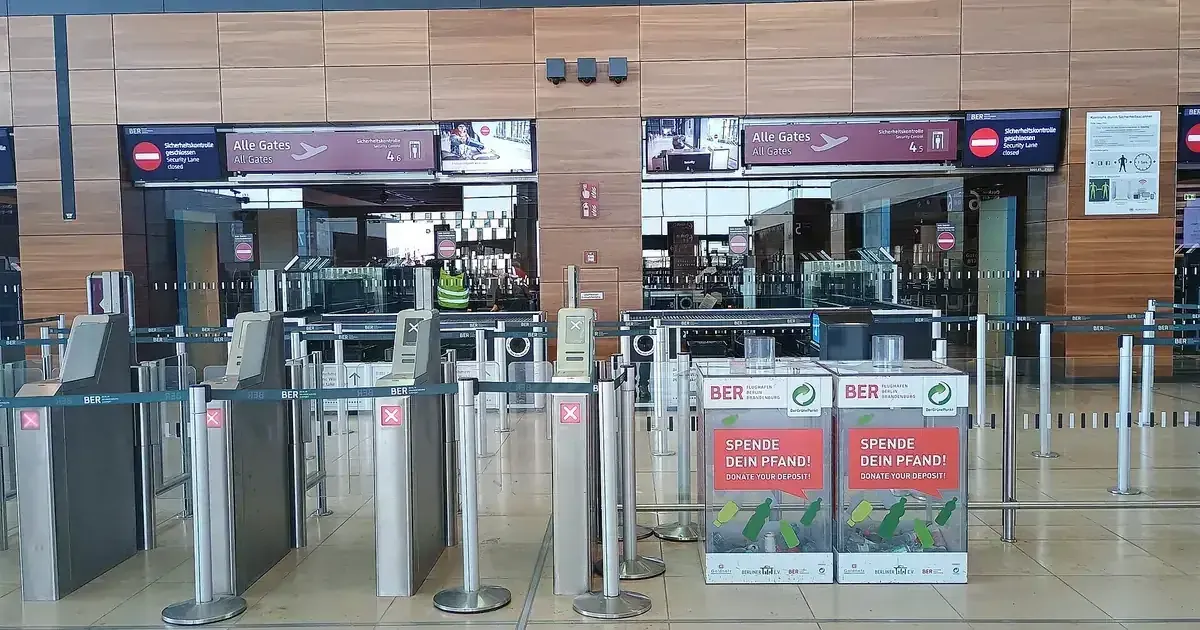
The September reset is the most reliable pattern in airport operations, and it’s about to happen. After Labor Day weekend, the summer volume clears out, the family travel ends, and the wait-time data shifts back to something resembling normal. I’ve tracked this shift for years, and it’s the closest thing the airport world has to a seasonal clock.
Here’s what the reset actually looks like in the data.
What changes after Labor Day
The summer pattern is defined by wide peaks. The 9 AM to 11 AM crush starts earlier and bleeds later because the volume fills more of the day. After Labor Day, those peaks narrow. The morning crush still happens, but it starts later and ends sooner, and the average wait drops at every major hub.
The LAX TSA wait times tell the story. The airport’s peak is 25 minutes on Sunday at 9 AM, and the September version of that Sunday is the same hour with a shorter line and a narrower window around it. Same airport, same checkpoint, less pressure.
What doesn’t change
The structure of the week survives the reset. Sunday afternoon is still the heaviest window at most hubs. Friday mornings still run hot. The mid-week advantage still holds. What changes is the size of the problem, not the shape.
That’s the useful part for planning. If you already know your airport’s pattern, the September reset just makes it easier. The ORD TSA wait times and Atlanta’s pages show the same weekday shapes year-round, with the summer making every number bigger.
The week that flips it
The transition isn’t gradual. It happens on the Tuesday after Labor Day weekend. The Monday return is still a holiday-volume day, and then the volume drops off a cliff. The Tuesday after Labor Day is routinely one of the lightest travel days of the year, and the data reflects it.
For anyone who can shift travel by a week, this is the lever. The week after Labor Day at a major hub is a different airport than the week before it.
| Window | Summer | After Labor Day |
|---|---|---|
| Morning peak | Starts 8 AM, bleeds noon | Starts 9 AM, ends 11 AM |
| Sunday afternoon | Heavy, wide | Moderate, narrower |
| Tuesday morning | Good | Excellent |
| Average hub wait | Elevated | Back to normal |
How to use it
- Shift your travel to the week after Labor Day. The Tuesday after the holiday is one of the lightest travel days of the year.
- Relax the summer buffer. Two hours at a major hub still works in September, and 90 minutes covers most mid-week flights.
- Keep the mid-week habit. Tuesday and Wednesday mornings remain the lightest slots, and they get lighter.
- The arrival guides still apply. The pattern didn’t disappear, it just eased. The pages will tell you which slots got better.
What the tables look like after the reset
The hourly tables are where the September shift is most visible. In August, a Monday’s table shows a wide morning bulge and a lingering afternoon tail. After Labor Day, the same Monday shows a tighter peak and hours that drop back to single digits sooner. The ORD TSA wait times and Atlanta’s pages show the same shape shift, and it’s consistent across hubs.
The other September feature is the return of the clean weekday pattern. The summer distorts the week by loading every day. September restores the gap between Tuesday and Sunday that makes the data useful for planning. The quiet slots get quieter, and the weekday advantage gets bigger.
The arrival math, post-reset
Practically, the September reset changes your numbers even if your habits don’t. The two-hour domestic arrival that felt necessary in July is comfortable in September. The 90 minute arrival that was a risk in August is routine once the volume clears. The buffer stays the same; the line it protects gets shorter.
The one exception is the holiday-adjacent windows. The Friday before a long weekend and the Sunday after it still run hot in September, because the holiday calendar overrides the seasonal trend. If you’re flying around Labor Day itself, the September reset doesn’t apply yet. It starts the Tuesday after.
The honest version
September is the best month of the year to fly, and the wait data agrees. The volume clears, the peaks narrow, and the checkpoints breathe. If you’ve been avoiding airports all summer, this is the month to change your mind. The lines are still there, but they’re the shoulder-season versions of themselves, and that’s a different and better thing. The other benefit of the reset is that it makes the wait data more reliable for planning. When the volume is high, the peaks spill unpredictably into surrounding hours. When it’s low, the table is a cleaner map of what the checkpoint actually does, and the quiet slots are more trustworthy. September is the month the numbers behave. If you’ve been meaning to try a new airline, a new airport, or a route you’ve avoided all summer, this is the month to test it, because the volume won’t be hiding the airport’s real character. What you see in September is what the airport is actually like, for better and for worse, and that’s a gift to any traveler who plans.
Frequently asked questions
Is September a good month to fly?
Yes, it's one of the best. After Labor Day the summer volume clears, the peak windows narrow, and the wait data shows shorter lines at most hubs.
Do TSA lines get shorter after Labor Day?
Yes. The September reset is a real shift in the data: the peak windows start later, end sooner, and the average wait drops at major airports.
What is the best time to fly in September?
The same windows that work all year, but they're better. Tuesday and Wednesday mornings are the lightest, and the afternoon banks lose their summer edge.
How early should I arrive at the airport in September?
You can relax the summer buffer. Two hours at a major hub still works, but 90 minutes covers most mid-week flights once the September reset kicks in.
Keep reading
 seasonalATLORD
Labor Day 2026: The Last Big Weekend of Summer
Labor Day weekend is the final summer travel surge, and the wait data shows exactly where it will hit. Here's the plan for flying that weekend.
Lena Vasquez seasonalLAXORD
August Is the Longest Month for Airports
August stretches every airport's peak windows wider than any other month. Here's what the wait data shows and how to keep your cool through it.
Lena Vasquez seasonalLAXORD
Summer Travel at U.S. Airports: What the Wait-Time Data Actually Shows
Summer is TSA's busiest season. Here's what the historical wait-time data says across major U.S. airports and how to plan around the surge.
Lena Vasquez