MIA Terminals: North, Central, and South Explained
Miami's five terminals split into North, Central, and South zones, and each one is a different airport. Here's how to know which you need.
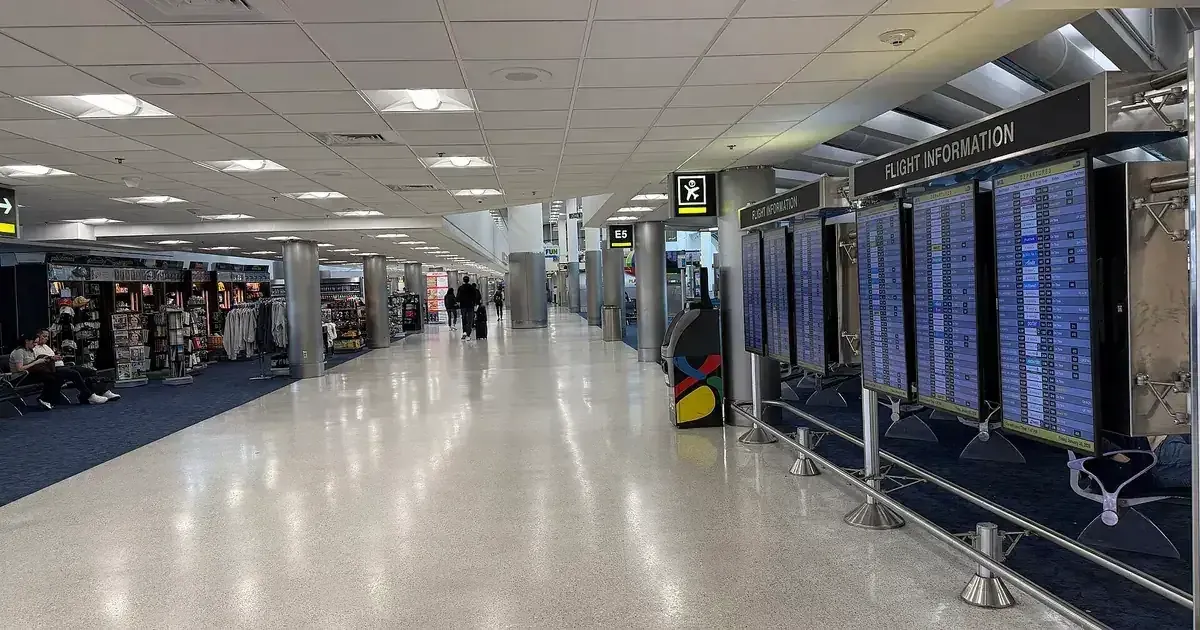
Miami’s terminal system is simpler than it looks and more confusing than it should be, because the airport calls its zones North, Central, and South but the terminals inside them have their own numbers and personalities. Once you know the three zones, the whole airport makes sense. Until you do, it’s a guessing game at the curb.
The MIA terminal layout breaks down as five terminals in three zones. Let me give you the map that actually matters.
The three zones
North. The North zone is where a lot of the domestic and Latin America traffic lands. It has solid food options, a strong shop lineup, and the quietest overall feel of the three zones. It’s also the one that catches people off guard, because the signs inside say “North Terminal” but the airline check-in desks belong to specific carriers you have to match.
Central. This is the heart of the airport, and it’s the zone worth knowing for anyone with time to kill. The Central Terminal holds the best of MIA’s 107 restaurants, including Sergio’s Cuban and La Colombe, and the densest stretch of its 133 shops. If you’re connecting through MIA with a real layover, Central is where you want to be.
South. The South Terminal is the international gateway zone, which means it carries a big share of the customs and immigration traffic. That changes the math for anyone arriving internationally. The MIA immigration wait times page shows the hourly pattern, and it’s a different problem than the TSA line on the way out.
How you end up in the wrong zone
The same way people end up at the wrong terminal everywhere: they assume the airline they flew last time is still in the same place. Airlines move between zones at MIA more often than travelers expect, and a boarding pass from three years ago is not a reliable map.
The fix is the same as it is at every big airport. Check the airline’s terminal the night before. Your airline determines your zone, your zone determines your walk, and your walk determines how early you need to be there.
The walking math
MIA’s zones connect, which is the good news. The bad news is that MIA is a long airport, and the far ends are genuinely far apart. A transfer from the North zone to the South zone can eat 15 to 25 minutes of walking, and that’s before you factor in security, food stops, or a bathroom break.
The practical version of this is about connections. If you land in the South zone and your connection is in the North zone, you are not making a 40 minute connection in comfort. You’re making it in a hurry, and the MIA TSA wait times are the other half of that math if you have to re-clear security.
What each zone is actually for
| Zone | What it’s best at | What to watch for |
|---|---|---|
| North | Quick, quiet domestic connections | Fewer food choices than Central |
| Central | Dining and shopping, hands down | Crowds at peak banks |
| South | International arrivals and connections | Customs line on the way in |
The checklist
- Know your airline, then its zone. Night before, not at the curb.
- Connecting across zones? Add 20 minutes of walking minimum.
- Arriving internationally? Check the immigration data before booking a tight domestic connection.
- Have a layover? Central Terminal. Eat at Sergio’s, browse the shops, enjoy it.
- Departing? The MIA arrival guide folds the zone into the arrival math, so use it instead of the generic two-hour rule.
The arrival-side version
The zone question applies on arrival too, and it’s where the South Terminal earns its reputation. MIA’s immigration wait times peak at 74 minutes on Sunday at 3 PM, and the South Terminal carries a big share of that traffic. If you’re arriving internationally and connecting, the customs line is the first half of your day and the terminal walk is the second.
What this means in practice: a tight domestic connection after a South Terminal arrival on a Sunday afternoon is a gamble, and the MIA TSA wait times page is the other half of the math if you have to re-clear. The zones aren’t just about where you eat. They’re about how long your whole day takes.
The food distribution, by the numbers
MIA’s 107 restaurants and 133 shops aren’t spread evenly, and the zone you land in decides what’s available. The Central Terminal holds the densest cluster, including Sergio’s Cuban, La Colombe, and the biggest stretch of the restaurant list. The South Terminal has its own anchor spots, like Sergio’s GO and Carlo’s Bake Shop. The North Terminal is thinner but holds Shula’s and a strong shop lineup with the Lego Store and Kiehl’s.
For a layover, the zone ranking is simple: Central if you can, South if you’re connecting internationally, North if you want quiet. The airport’s geography does the rest.
The short version
MIA is three airports in one building. The North zone is the quiet domestic side, the Central zone is where the food and shopping live, and the South zone is the international gateway with its own customs problem. Your airline puts you in one of them, and knowing which one before you leave home is the difference between a relaxed arrival and a jog through a very long airport.
Frequently asked questions
How many terminals does Miami airport have?
Five terminals, which group into three zones: North, Central, and South. Your airline determines which one you need.
Which terminal at MIA has the best food?
The Central Terminal. It holds Sergio's Cuban, La Colombe, and the densest cluster of MIA's 107 restaurants and 133 shops.
Can you walk between terminals at MIA?
Yes, the terminals are connected, but MIA is a long airport. Walking between the far ends can take 15 to 25 minutes, so know your zone before you land.
Which MIA terminal handles international flights?
International arrivals spread across the airport, but the South Terminal is a major gateway with a big share of the customs traffic. The immigration wait times page has the hourly picture.
Keep reading
 terminalsLAX
LAX's Nine Terminals: A Field Guide
LAX has nine terminals and they are not interchangeable. Here's how to figure out which one you need before you leave home, not at the curb.
Mara Quinn terminalsLAX
LAX Terminal Transfers: Which Walks Are Worth It
LAX's nine terminals split into two airside groups, and a transfer between them costs a re-screen. Here's the walk math for every connection.
Mara Quinn terminalsORD
ORD Terminal 5: The International Terminal Everyone Forgets
O'Hare's Terminal 5 handles the international arrivals, the customs flow, and a surprising share of the airport's dining. Here's how it works.
Mara Quinn